
Buying a car is a big decision, but the purchase itself is only the beginning. You may spend hours comparing models, checking prices, and choosing between different features. Yet one question can have a big effect on your experience later: how long is this car likely to serve you well?
Longevity matters because a car that stays dependable for years can offer better value than one that looks appealing today but starts needing costly repairs soon after purchase. This is especially worth considering when buying a used vehicle in Perth. The average passenger vehicle in Australia was about 11.2 years old in January 2024, according to the Bureau of Infrastructure and Transport Research Economics. In Western Australia, the average was about 12.3 years.
That means keeping a car for many years is already a normal part of Australian motoring.
How to Choose a Car Built to Last
Longevity is not something you can determine from a car’s age or appearance alone. Several factors can give you a better idea of how well a vehicle may serve you over time. Looking at the vehicle’s history, current condition, and expected running costs can help you make a more informed decision. It is also important to consider whether the car will continue to meet your needs as your circumstances change.
1. Check the Car’s Service History
A vehicle’s age tells you something, but it does not tell you everything. Two cars of the same age can be in completely different conditions. One may have received regular servicing, had worn parts replaced on time, and been driven carefully.
That’s why checking the vehicle’s service history before buying is so important. Look for evidence of regular oil changes, scheduled servicing, brake work, tyre replacement, and other major maintenance. If there are gaps in the records, ask what caused them.
A well-maintained older vehicle can sometimes be a better choice than a newer car with an unclear history. You are buying the condition and care of the vehicle, not simply the number on the registration papers.
2. Consider Mileage Alongside Overall Condition
Mileage is another useful clue when judging how much life a car may have left. When comparing cars for sale Perth, consider the odometer alongside the service history, inspection results, age, and overall condition. A vehicle with very high kilometres has generally experienced more use, which can mean greater wear on parts such as the engine, transmission, suspension, and brakes. But low mileage does not automatically mean a car is in excellent condition.
A car that has spent years sitting unused can develop its own problems. Rubber components can deteriorate, batteries can fail, and fluids can age. Highway driving, for example, can place different demands on a vehicle than constant short trips in traffic. Looking at all of these details gives you a much better picture than mileage alone.
3. Calculate the Cost of Long-Term Ownership
Longevity is closely connected to running costs. A car can remain on the road for many years, but that does not mean keeping it is always affordable. Older vehicles may need more frequent repairs as components wear out. At the same time, some models have a strong reputation for reliability and may be relatively inexpensive to maintain.
Before buying, research the common service needs of the model you are considering. Check the cost of tyres, brakes, scheduled servicing, and other parts that may eventually need replacing.
It is also worth thinking about fuel use. A slightly cheaper car that uses significantly more fuel could cost more over several years. The goal is to look beyond the purchase price and ask what the vehicle is likely to cost you over the time you plan to own it.
4. Look for Evidence of a Thorough Inspection
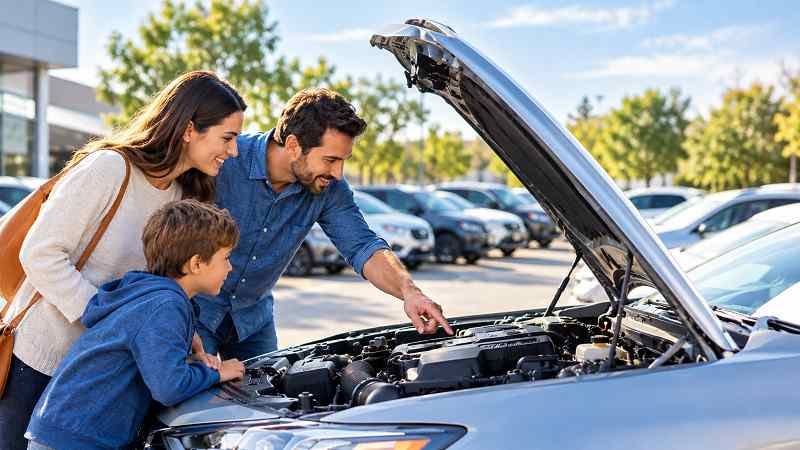
A clean interior and polished body can make a vehicle look almost new, but they do not tell you what is happening under the bonnet. Mechanical and safety checks can uncover problems that are difficult for an ordinary buyer to spot.
This is one area where the buying process itself can give you useful information. Ask what inspections have been carried out, whether the vehicle has been serviced, and whether any faults were found and repaired.
At some dealerships such as Carmart Perth, vehicles are mechanically and safety inspected before sale and checked again before customer collection. Eligible vehicles also come with at least a 12-month comprehensive warranty and roadside assistance, with terms and exclusions applying. That does not remove the need to ask questions, but it gives buyers something concrete to consider when comparing used vehicles.
5. Think About How Long You Want to Keep It
A car can last for many years, but your plans matter too. If you expect to keep the vehicle for five or seven years, think about whether it will still suit your needs later. A small car may work perfectly when you are single but feel cramped after starting a family. A vehicle with limited storage may become frustrating if your hobbies or work require you to carry equipment.
You should also consider how easy the car will be to service as it gets older. Popular models often have established parts and servicing networks, which can make ownership easier down the road.
What we’ve seen is that buyers sometimes focus heavily on what a car offers on the day they purchase it. Considering whether the car will still meet your needs years from now can help you make a better choice.
The Key Takeaway
Choosing a car with longevity in mind does not mean buying the newest or most expensive model. It means looking carefully at maintenance, mileage, condition, running costs, and how well the vehicle fits your plans.
A car that remains reliable for years can save you the stress of replacing it too soon and help spread the cost of ownership over a longer period. Before signing the paperwork, take a step back and think beyond the first drive home. The best choice may be the vehicle that continues to make sense long after the excitement of buying it has passed. See more